
From Sparks to Shared Plans: Building Idea Maps Together
Welcome to a lively, practical guide to collaborative idea maps for family and small-group planning, where colorful branches turn scattered thoughts into clear priorities everyone understands. Explore playful techniques, simple rituals, and real stories that help households, clubs, and friend circles align without friction. Add your voice, share experiments that worked or flopped, and subscribe to keep getting fresh, human-centered strategies that transform good intentions into friendly, achievable action.
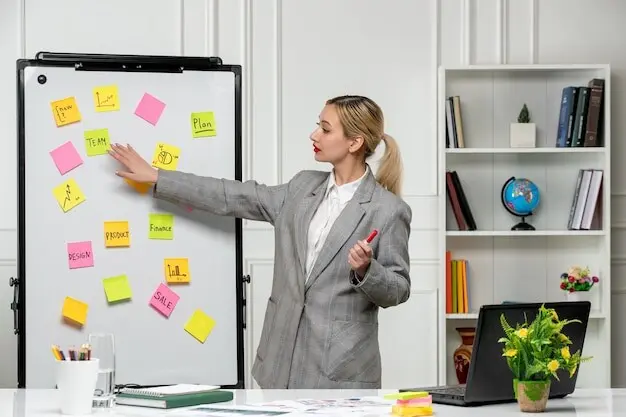
Why Visual Mapping Works at Home and in Small Circles
Putting ideas where everyone can see them lightens memory load, cools tension, and builds shared ownership. Visual clusters reveal hidden connections—who needs what, which tasks depend on others, where conflicts might arise. Research on externalizing cognition suggests pictures, colors, and proximity reduce ambiguity, while families report fewer arguments when decisions move from opinions to observable notes. Tell us how your crew reacts when plans leave heads and land on paper, whiteboards, or a shared digital canvas.
Shared Attention, Reduced Friction
When thoughts live outside any single person’s mind, attention synchronizes. Instead of disputing memories, your group edits a living map. Color-coded branches separate logistics from emotions, revealing solvable bottlenecks. Even young kids or quieter members can point, stick, or drag items, shaping the outcome without battling for airtime. Comment below if visualizing agreements helped cool a recurring disagreement faster than another round of heated conversation.
Memory Offload That Frees Creativity
A crowded mind resists new ideas. Offloading details into a map unclenches mental bandwidth, making room for playful combinations. As branches grow, patterns appear—errands that can bundle, chores that fit together, or celebrations worth planning earlier. This gentle release often helps anxious planners feel calmer. Try a five-minute brain-dump sprint, then pause and notice fresh insights emerging as your eyes travel across the structure you built together.
From Vague Wishes to Actionable Paths
Many family plans begin as hopeful phrases—“eat better,” “save more,” “travel soon.” Mapping turns fuzzy wishes into clusters, then concrete steps with owners and dates. A branch labeled “summer trip” can sprout budget ideas, route options, and a packing checklist. Celebrate the first micro-step to build momentum. Share your before-and-after experiences: what shifted once you could literally point at a decision path instead of chasing it in conversation?
Getting Started: Tools, Spaces, and Simple Rituals
You do not need fancy gear to begin. A large sheet of paper, sticky notes, markers, and a timer create instant structure. Choose a comfortable, distraction-limited spot—the kitchen table, living room floor, or a quiet corner—with snacks and water reachable. Plan brief sessions to respect everyone’s energy. Invite voices using round-robin prompts and silent idea bursts. If someone joins remotely, a tripod over the table or a shared digital board keeps them fully included.

Paper, Whiteboards, and Digital Canvases
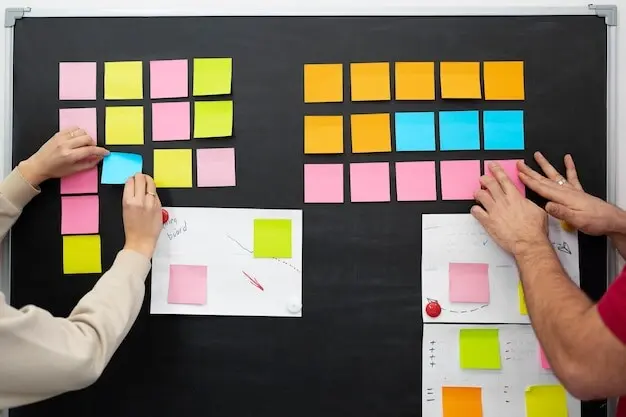
Start tactile with sticky notes for quick reordering, then photograph outcomes for reference. Whiteboards shine for erasable experiments and bold markers. Digital canvases help when grandparents, roommates, or teammates cannot attend in person, offering layers, comments, and version history. Mix methods freely: sketch on paper, snap a photo, upload to a shared space, and continue asynchronously. Comment with your preferred mix and why it fits your group’s habits, ages, and schedules.

Designing a Welcoming Mapping Space
Comfort boosts candor. Arrange chairs equally, keep sightlines clear, and place materials within easy reach. Lower the stakes with playful headings and invite doodles. Background music at a gentle volume helps shy voices warm up. Use large print for visibility, and ensure lighting is kind to evening eyes. A shared snack plate often signals collaboration, not competition. Tell us your small tweaks—pillows, colors, or rituals—that made your mapping time feel friendly and safe.

Rituals That Keep Everyone Involved
Set ground rules in one minute: one marker moves at a time, every idea lands on the page, and disagreements become questions. Try two-minute silent sprints followed by gentle sharing. Rotate the facilitator so leadership circulates. Use a visible timer to honor energy. End with appreciations and a photographed summary. These rituals create reliable rhythm without rigidity. Drop your favorite low-effort ritual below; we will compile community favorites in a future roundup.
Techniques for Inclusive Collaboration
Equality of voice is not automatic; it is designed. Use silent ideation to welcome introverts, timeboxing to prevent rambling, and dot-voting to identify quick wins. Color-coding roles clarifies who suggests, who decides, and who executes. Empathy-mapping surfaces needs behind requests, reducing reactive pushback. Gentle prompts—“What feels missing?” or “What would make this easier?”—turn critique into contribution. Save a lightweight decision log so agreements endure beyond the meeting’s buzz.
Silent Bursts, Then Gentle Sharing
Begin with two or three short, silent bursts where everyone writes ideas alone. This prevents loud-first bias and lets quieter members shine. Then cluster notes together and invite each person to highlight one surprise. The facilitator mirrors, not judges. When emotions rise, park them in a “Feelings and Hopes” branch to honor them without derailing flow. Share whether this cadence lifted ideas you rarely heard before and how it changed group energy.
Color, Icons, and Categories with Meaning
Choose a palette with purpose: blue for information, green for actions, orange for risks, purple for delights. Add tiny icons—stars for priorities, clocks for deadlines, hearts for care tasks kids can help with. Legends keep newcomers oriented. Over time, your group’s visual language becomes a familiar shorthand, accelerating sessions while protecting clarity. Post a photo of your legend near the workspace so visitors can engage meaningfully from the first minute.
Fair Decisions Without Steamrolling
Use lightweight methods that feel respectful. Dot-vote to surface consensus quickly, then hold a brief check to hear strong objections. Try the fist-to-five signal to gauge comfort, and invite one sentence from low-score voters to craft adjustments. Capture the final wording on the map to avoid memory drift. These rituals keep momentum without bulldozing nuance. How does your group balance speed with care, and which technique earns the most trust at home?
Saturday Logistics Finally Clicked
Two parents, three kids, soccer games across town, and one car. After weeks of stress, they drew circles for time blocks, then attached rides, snacks, and gear by color. A neighbor’s availability appeared as a new branch, solving a stubborn transport gap. The map revealed a pocket for unhurried pancakes everyone craved. Taping it to the fridge turned chaos into a calm ritual. Comment if a single visual saved your weekend too.
Roommates Aligned Budgets and Boundaries
Four roommates battled over utility bills and dishes. A candid mapping night created branches for expenses, cleaning standards, shared meals, and quiet hours. Dot-voting highlighted friction hotspots, while a “non-negotiables” branch protected sleep schedules. They tagged each action with names and dates, then photographed the board. Arguments cooled because the agreements were visible and precise. One roommate said, laughing, it felt like installing a friendly operating system. What agreements would upgrade your living situation?
Community Garden Found a Planting Plan
Volunteers met with overlapping wishes: pollinators, kid activities, and produce donations. Their map grouped goals by season, water needs, and teaching moments. Conflicts softened once people saw tradeoffs clearly. A color-coded grid turned into planting assignments and workshop topics. Kids drew bee icons where flowers would go, granting instant ownership. The harvest arrived with thank-you notes from the food pantry. Share how your community projects navigated competing priorities without losing heart or momentum.
Real Stories: Families and Small Groups That Tried It
Stories make techniques memorable. Across kitchens, dorms, and community centers, people discovered that a sprawling page can gently align calendars, chores, budgets, and dreams. Expect imperfect attempts, laughter, and surprising clarity after ten honest minutes. Below are glimpses from households and groups who tried mapping together. Borrow what fits, remix the rest, and share your own twist so others can learn from your delightful, messy, and ultimately encouraging experiments.
From Map to Momentum: Prioritizing, Scheduling, and Following Through
Clustering into Goals Everyone Understands
Translate clusters into goals with clear outcomes: “Plan June camping weekend,” “Stabilize morning routine,” or “Cut grocery waste by twenty percent.” Add success signals, like photos from the campsite, smoother departures by Wednesday, or fewer spoiled items. Assign an owner and a buddy for support. This shared clarity reduces rework and avoids passive assumptions. Post your top three goals where glances happen naturally—fridge door, group chat, or digital dashboard your circle already uses.

Lightweight Schedules, Realistic Energy
Ambitious timelines collapse when they ignore energy and seasonality. Pair tasks with honest capacity: short bursts on weekdays, deeper sessions weekends, naps before conversations that require patience. Try two-week sprints with a cheerful kickoff and tiny retrospective. When life happens, resize tasks instead of abandoning intentions. The map updates to reflect reality, not fantasy. Which scheduling rhythm respects your group’s cycles—early birds, night owls, exam weeks, or holiday travel surprises?

Celebration, Reflection, and Iteration
Mark completions with micro-celebrations: stickers on the board, a shared photo, or a goofy dance. Then ask three gentle questions: what worked, what wobbled, and what we will try differently. Capture lessons directly on the map so improvements persist. Over months, your process becomes kinder, sharper, and easier to repeat. Invite your crew to share one proud moment from the last cycle in the comments, inspiring others to keep going.
Digital Collaboration: Remote and Hybrid Families, Clubs, and Crews
Distance should not dilute togetherness. Use shared canvases, group notes, and lightweight video to co-create maps across time zones. Keep screens human by spotlighting drawings, using cursors with names, and inviting asynchronous comments. Rotate facilitators so no one carries the entire digital load. Protect energy with short sessions, clear agendas, and generous breaks. Ask remote members to bring a tangible object to the camera, anchoring plans in real life despite the pixels.



All Rights Reserved.