
Draw Clarity: Idea Mapping for Everyday Problem-Solving
Today we explore idea mapping for everyday problem-solving, a simple, visual way to untangle decisions, surface options, and move forward with confidence. By sketching thoughts into branches and connections, you reveal patterns hidden in lists and paragraphs, reduce mental clutter, and discover practical next steps. Expect friendly techniques, relatable stories, and small experiments you can try immediately. Bring a pen, an open page, and the tricky everyday questions you usually postpone. We will map them into clarity, momentum, and calm, together.

Choose Your Center
Write one concise, actionable question in the middle, such as “How can I reduce weekday stress?” or “Which repair should I prioritize this month?” This anchor protects focus while staying flexible enough to welcome surprises. If the wording feels heavy, rephrase until it sounds like you. A crisp center calms wandering thoughts, signals purpose, and prevents rambling detours. Start small, stay specific, and promise yourself you will refine only after ideas have room to roam.
Branch Without Judgment
Radiate lines for categories you care about: time, cost, people, tools, risks, and rewards. Add quick words, icons, or tiny sketches without editing or explaining. Let improbable, silly, or contradictory ideas coexist peacefully. Judgment can return later with a kind, organizing hand. For now, quantity outpaces quality because volume exposes patterns. When your page starts feeling alive, you will sense relief. That feeling signals progress, not perfection, and invites your next thoughtful pass.
Connect and Cross-Pollinate
Draw light lines between branches where influences appear, like how childcare affects commute choices or how sleep changes grocery habits. These cross-links are gold: they reveal leverage points where one change helps many areas. Circle clusters that matter, star quick wins, and note helpful constraints. You are not trapping yourself; you are discovering practical paths. With relationships visible, trade-offs become friendlier conversations, and your map starts whispering, “Try this first; save that for later.”
Meals, Minutes, Money: Everyday Wins
Idea maps shine brightest in ordinary life, where dozens of tiny choices quietly accumulate into stress or ease. Use one page to plan meals that respect time, budget, nutrition, and leftovers. Sketch another to arrange a week with buffers, energy rhythms, and family needs. Create a money map that balances musts, wants, risks, and joy. Seeing everything at once reduces second-guessing. The point is not perfection; it is fewer surprises, kinder routines, and decisions that feel aligned.
The Brain’s Friend: Why Maps Work
Idea mapping lightens cognitive load by offloading memory to the page, freeing attention for insight. Dual coding pairs words with simple visuals, improving recall and comprehension. Spatial arrangement clusters meaning, helping your mind find connections faster. Research on concept mapping shows gains in learning, planning, and problem clarity across ages. Most importantly, the process invites playful exploration before precise selection. When options are visible, anxiety decreases and curiosity returns. You start choosing with grounded confidence, not guessing under pressure.


Notebook Stories: Real Moments of Change
A few quick stories show how a messy page can reshape a day. Sarah mapped worries before negotiating a rent adjustment, spotting shared interests and respectful phrases. Daniel sketched his family’s school commute, finding a carpool link and a safer crossing. Mara tracked overlapping chores and energy dips, then swapped one heavy task to Saturday mornings. None of them drew beautifully. All of them finished calmer. The lines became conversations, then decisions, then relief.
Pens, Stickies, and Apps That Help
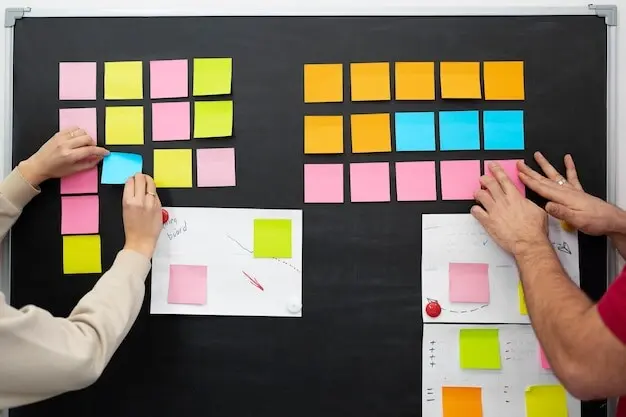
Tools should disappear behind your thinking. Some days you want the scratchy honesty of paper and a thick marker; other days, digital flexibility wins with easy rearranging and sharing. Sticky notes offer movable branches; index cards become portable clusters. Simple apps with quick links and clean canvases work best. Protect frictionless capture, effortless editing, and visible hierarchy. Whether you tap, type, or scribble, the right tools make mapping feel like play instead of work.
Name the Next Physical Step
For each starred branch, write one concrete action that a stranger would recognize, like “email Nora with Tuesday times,” not “handle scheduling.” Physical, visible, and finite steps reduce friction. If a step feels heavy, split it until the first motion is obvious. Then calendar it, even if tiny. Momentum, not magnitude, unlocks progress. When you return to your map later, you will see fewer abstractions and more invitations you can immediately accept.
Cluster into Projects
Related actions deserve a shared banner. Circle them, give the cluster a meaningful name, and note a simple purpose statement. This converts scattered intentions into coordinated progress. Add constraints that help, like budgets, deadlines, or decision checkpoints. Link overlapping clusters to spot shared tasks you can do once. Projects born from maps inherit context, so you remember why they matter. That memory is fuel when motivation dips and distractions compete for attention.
Review, Prune, Progress
Set a recurring moment—perhaps Friday afternoon or Sunday evening—to scan maps, archive finished branches, and refresh priorities. Pruning is not failure; it is gardening. Some ideas were stepping-stones and can now rest. Others matured into habits or plans. Mark what you learned, capture lingering questions, and choose one bold, kindness-filled action for the coming days. This cadence transforms mapping from a sporadic rescue into a sustainable practice that steadily advances your real life.
Turn Sketches into Steps
A beautiful map without movement is only decoration. Translate clusters into tiny, physical actions you can finish within minutes. Use simple prioritization—urgent versus important, energy needed versus energy available. Schedule review moments and prune bravely. When trade-offs appear, decide gently rather than perfectly. Celebrate closed loops by marking branches complete. Over time, your pages become a history of decisions made with care, not pressure. The lines that once held confusion now carry direction.
Your Turn: Share, Ask, Practice
You do not have to do this alone. Share a snapshot of a fresh map, ask for feedback on a knotty branch, and celebrate small wins with others learning the same skill. Join simple challenges that prompt quick, playful maps you can finish in minutes. Subscribe for regular practice prompts, case studies, and gentle accountability. Your experience feeds this growing conversation. Together we will turn ordinary pages into places where better days quietly begin.
Share a Snapshot
Post a photo of a new or well-loved map, even if it looks imperfect. Add a note about one insight that changed your next step. Seeing real pages encourages others to try. Include one question you are pondering, and invite a single suggestion. Light peer visibility builds momentum. Over time, your gallery becomes a living record of courage, curiosity, and practical wisdom earned in ink and honest lines.
Ask a Stuck Question
When a branch refuses to move, write your obstacle clearly and share it with someone you trust. Ask them what you might be missing, and whether a different center question would help. Request one nudge, not a flood. Fresh eyes often spot quiet assumptions or hidden connections. The goal is not outsourcing decisions; it is sparking perspective. Even a short exchange can release energy and reopen a path you thought was blocked.
Subscribe for Practice Prompts
Receive gentle exercises that fit real days: five-minute mapping sprints, weekend review rituals, and seasonal reset pages. Expect case studies, printable templates, and thoughtful reminders to protect buffers. The prompts keep your habit alive when life is noisy. You will gather small wins that compound into confidence. With steady practice, mapping becomes your default way to meet uncertainty—with a pen, some space, and the calm expectation that clarity can be drawn.
All Rights Reserved.